Excavation Challenges Unique to Long Island
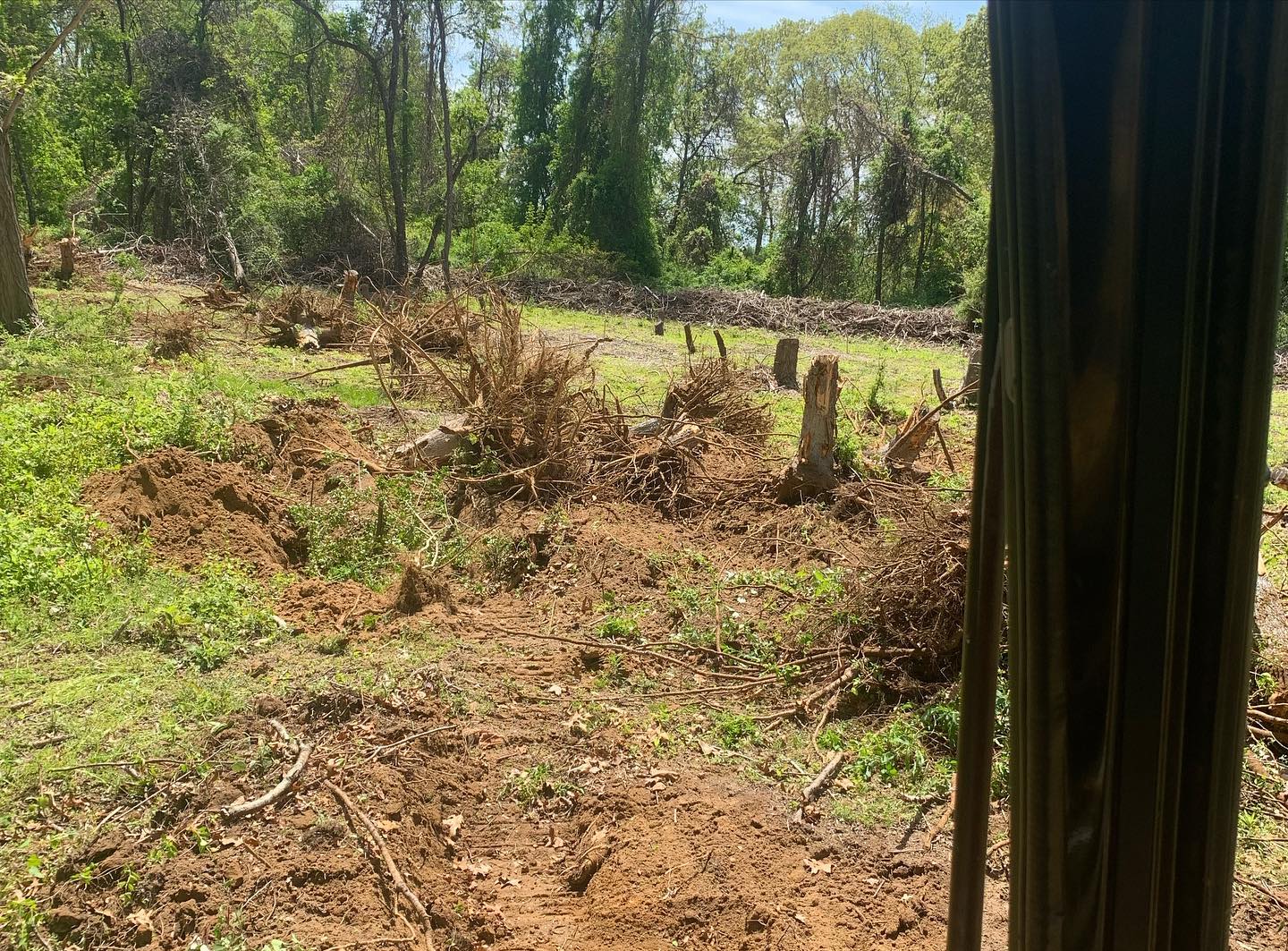
Soil Type and Composition
Long Island's soil varies widely, from sandy coastal soils in the east to heavier clay-based soils further west. Understanding what's beneath the surface is critical for determining how deep to dig, what equipment to use, and how to handle drainage and compaction.
High Water Tables
Many parts of Long Island have high water tables, especially in low-lying areas near the coast. This means excavation projects often encounter water earlier than expected. Dewatering techniques and proper drainage planning are essential to keep work on track.
Environmental Regulations
Long Island has strict environmental protections, particularly around wetlands, coastal zones, and groundwater recharge areas. Excavation work in these areas often requires special permits and careful planning to stay compliant with Suffolk and Nassau County regulations.
Septic System Requirements
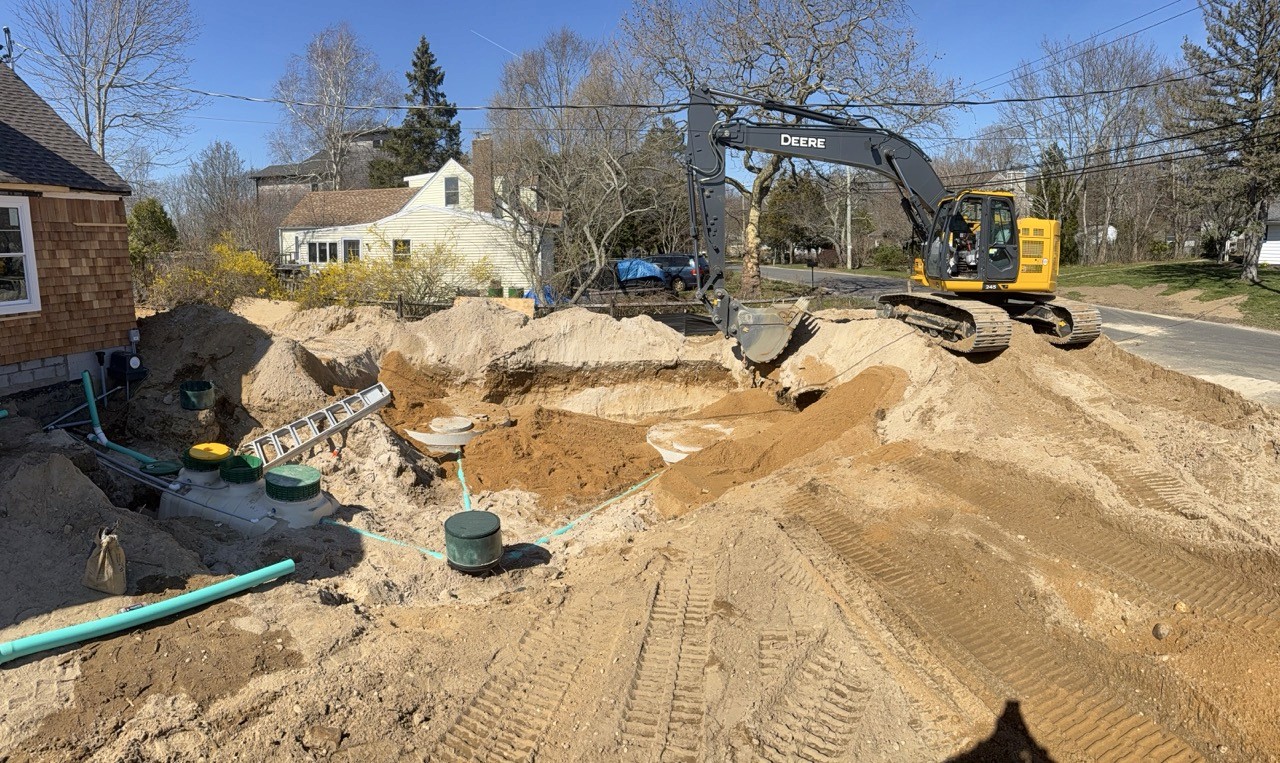
With much of Long Island unsewered, septic systems play a critical role. Newer I/A system requirements add complexity to installations, making experienced local expertise essential.
Working With Local Experience
Every region has its own quirks when it comes to excavation. Having a contractor who has worked Long Island soil for decades means fewer surprises and better results.